
Fasted Running vs. Eating First: When and What to Eat Before and After a Run
💡 Key Summary
✅ Fasted running burns a bit more fat during the run, but long-term fat loss ends up about the same
✅ For an easy run, a light carb snack like one banana 1–2 hours before is plenty
✅ After your run, a normal meal with 20–40 g of protein within 2 hours is all you need for recovery
You've probably heard that running first thing in the morning on an empty stomach is the secret to burning more fat. But head out fasted and your legs feel like lead; eat first and you get a side stitch ten minutes in. This guide is for anyone running to lose weight who isn't sure when or what to eat, combining what the research shows with practical tips you can use tomorrow morning.
1. Does Fasted Running Really Burn More Fat?
The short answer: "A little more during the run, about the same in the long run."
A 2016 meta-analysis pooling 27 studies (273 participants) found that people doing cardio on an empty stomach burned roughly 3 g more fat during the workout than when they'd eaten beforehand. The researchers were clear, though: that's a short-term effect from single sessions, and it shouldn't be read as proof of greater fat loss over time.
Another study tracked actual body changes. Twenty young women eating 500 calories below maintenance did one hour of steady cardio three times a week for four weeks. Both the fasted and fed groups lost weight and body fat, with no meaningful difference between them.
| Fasted running | Eating first | |
|---|---|---|
| Fat used during the run | Slightly more | Slightly less |
| Body fat loss after 4 weeks | About the same | About the same |
| Runs over 60 min or fast workouts | You may fade early | Better fueled |
| Best for | Easy 30–40 min morning runs | Evening runners, long runs, intervals |

Just 3 extra grams of fat? Way smaller than the hype! Empty stomach or not, getting out the door matters most.
What actually moves body fat is a consistent calorie deficit. "How many times did I run this week?" matters far more than whether you ate first. For how the deficit works, see The Complete Guide to Losing Weight by Running.
💡 Tip
If fasted runs feel good and light, keep doing them. If you feel dizzy or drained running on empty, don't tough it out — have something small and go. The approach you can stick with is the right one.
2. Before Your Run: What to Eat, Hour by Hour
If you eat first, the rule is simple: the less time you have, the lighter you go. Foods high in fat, fiber, or protein digest slowly and are the usual cause of mid-run stomach trouble.
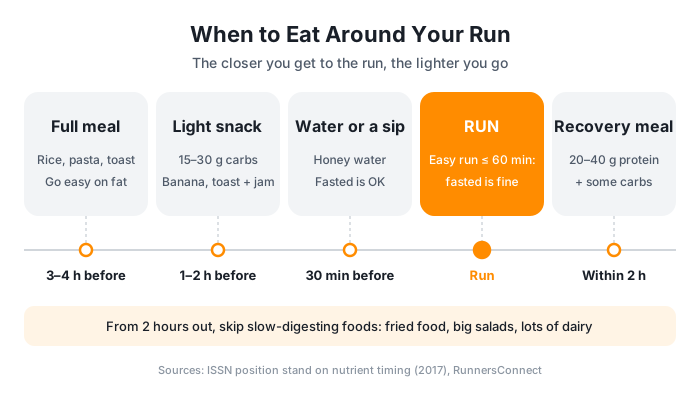
RunnersConnect, the coaching site founded by Jeff Gaudette, suggests 15–30 g of carbs 60–90 minutes before an easy run, and about 30–60 g 90–120 minutes before a hard workout. A medium banana has roughly 25 g of carbs, so one banana covers most easy runs.
| Time before your run | Good choices | Better to skip |
|---|---|---|
| 3–4 hours | A normal meal built on rice, pasta, or bread (light on fat) | Fried food, bacon and sausage, very spicy dishes |
| 1–2 hours | Banana, toast with jam, half a bagel, a small bowl of oatmeal | Big glass of milk, large salads, a handful of nuts |
| Under 30 min | Water, a few sips of sports drink (or nothing) | Anything new, protein shakes |
Start by eating 90 minutes out. If your stomach complains, shift the window 15 minutes earlier or later until it feels right. The same trial-and-error works for race prep — our race-day eating plan is in A 4-Week Plan to Finish Your First 5K.
3. After Your Run: You Don't Have to Race the 30-Minute "Window"
Ever rushed to chug a shake because you heard you'd "waste" your run if you didn't eat within 30 minutes? The International Society of Sports Nutrition's position stand on nutrient timing recommends 20–40 g of high-quality protein anytime from right after exercise up to about 2 hours later. Your muscles stay primed to use protein for close to a full day, so missing the 30-minute mark doesn't cancel anything out.

No need to sprint home clutching a shake. Shower, slow down, and enjoy a good next meal — that's plenty!
If you're trying to lose weight, the key is turning your next meal into your recovery meal rather than adding an extra snack. The "I earned it" treat after a run is one of the biggest reasons people stall. More on that in Running but Not Losing Weight?
| When you run | What to do after | Protein ideas |
|---|---|---|
| Fasted morning run | Go straight into breakfast | 2 eggs + a cup of Greek yogurt |
| Before lunch | Make lunch your recovery meal | Grilled chicken or salmon bowl instead of a burger |
| After work | Keep dinner light | Tofu or fish, half a cup of rice, vegetables |
| Next meal is 3+ hours away | One small snack only | A glass of milk or chocolate milk |
📌 Note
Roughly 20 g of protein looks like 3 large eggs, about 3.5 oz (100 g) of chicken breast, or a single-serve cup of Greek yogurt plus a slice of cheese. Check the nutrition label, since amounts vary by product.
4. How to Find the Timing That Works for You
Even for the same person, the right answer changes with the time and intensity of the run. Find your pattern below.
| Your running pattern | Recommended approach | Quick tip |
|---|---|---|
| Easy 30–40 min in the morning | Fasted is fine | Drink a glass of water before you head out |
| 60+ min or intervals in the morning | Eat a little first | Half to one banana, then go 30–60 min later |
| Evening run after work | Snack around 4 p.m. | Save dinner for after the run |
| Weekend long run (90+ min) | Always eat first | Your usual breakfast 2–3 hours before |
⚠️ Caution
If you take diabetes medication or insulin, have low blood pressure, or often feel lightheaded on an empty stomach, skip fasted runs. If you break into a cold sweat, get shaky, or feel dizzy mid-run, stop right away and take in some sugar. In hot weather dehydration adds to the risk, so check the hydration tips in our Summer Running Diet guide too.
The best way to find your fit is to run your own two-week experiment. Set a small goal in the Wittiz app, like "run 3 times this week," then run fasted one week and after a light snack the next. Compare your pace and distance in your run records and reports, and the timing that suits your body starts to show. Clear missions along the way, spend the jelly you earn dressing up Moongti, and those two weeks fly by.
Frequently Asked Questions (FAQ)
Will fasted running make me lose muscle?
For an easy 30–40 minute fasted run, it's not much of a concern. But running long (over an hour) or hard on an empty stomach makes it more likely your body will tap protein for fuel. Keep fasted runs short and comfortable, and follow them with a breakfast that includes protein.
I'm not hungry right after a run. Do I have to eat?
No need to force it — many people's appetite dips for a while after exercise. Just make sure your next meal within about 2 hours includes protein. Water, on the other hand, is worth drinking right away whether you're hungry or not.
Will eating late after an evening run make me gain weight?
Your total intake for the day matters more than the clock. If dinner ends up late after a run, go a bit lighter on the carbs and lean on protein and vegetables. That said, a big meal right before bed can disrupt sleep, so try to finish eating 2–3 hours before you turn in.
Wrapping Up
Eating around your runs comes down to three things: consistency first, fasted or not; keep it light before; recover with protein after. The real answer isn't in a lab — it's in how your own body responds.
This week, try one fasted run and one run after a light snack, and notice which day felt easier. Whichever you choose, Moongti will be running right beside you!
Try it for yourself in the Wittiz app!

References
- Kerksick CM et al. (2017). International Society of Sports Nutrition position stand: nutrient timing. JISSN
- Schoenfeld BJ et al. (2014). Body composition changes associated with fasted versus non-fasted aerobic exercise. JISSN
- Vieira AF et al. (2016). Effects of aerobic exercise performed in fasted v. fed state on fat and carbohydrate metabolism in adults: a systematic review and meta-analysis. British Journal of Nutrition
- RunnersConnect. What to Eat Before a Run: Timing, Carbs & Foods That Work
This article was written by the Wittiz team and includes app-related content. If you have diabetes, low blood pressure, or another underlying condition, or notice any health concerns while changing your diet, please be sure to consult a medical professional.