
Do You Need a Running Watch? A Beginner's Feature Checklist
💡 Key Summary
✅ For your first few months, a phone app records distance, time, and pace well enough
✅ A watch starts to help when you'd rather not carry a phone, or begin intervals and race training
✅ When shopping, check just four things first: GPS, battery, screen, and heart rate type
"If you're serious about running, you need a watch," right? Then you see the price tag and wonder whether the phone in your pocket is really not enough. This guide is for beginner runners deciding whether to buy a running watch, covering when a phone does the job, when a watch earns its place, and what to look for.
1. Does a beginner really need a running watch?
Short answer: no, not necessarily. The running site RunRepublic also says a watch or app isn't essential for beginners. They help you track progress and set goals, but the numbers can turn into stress, too.
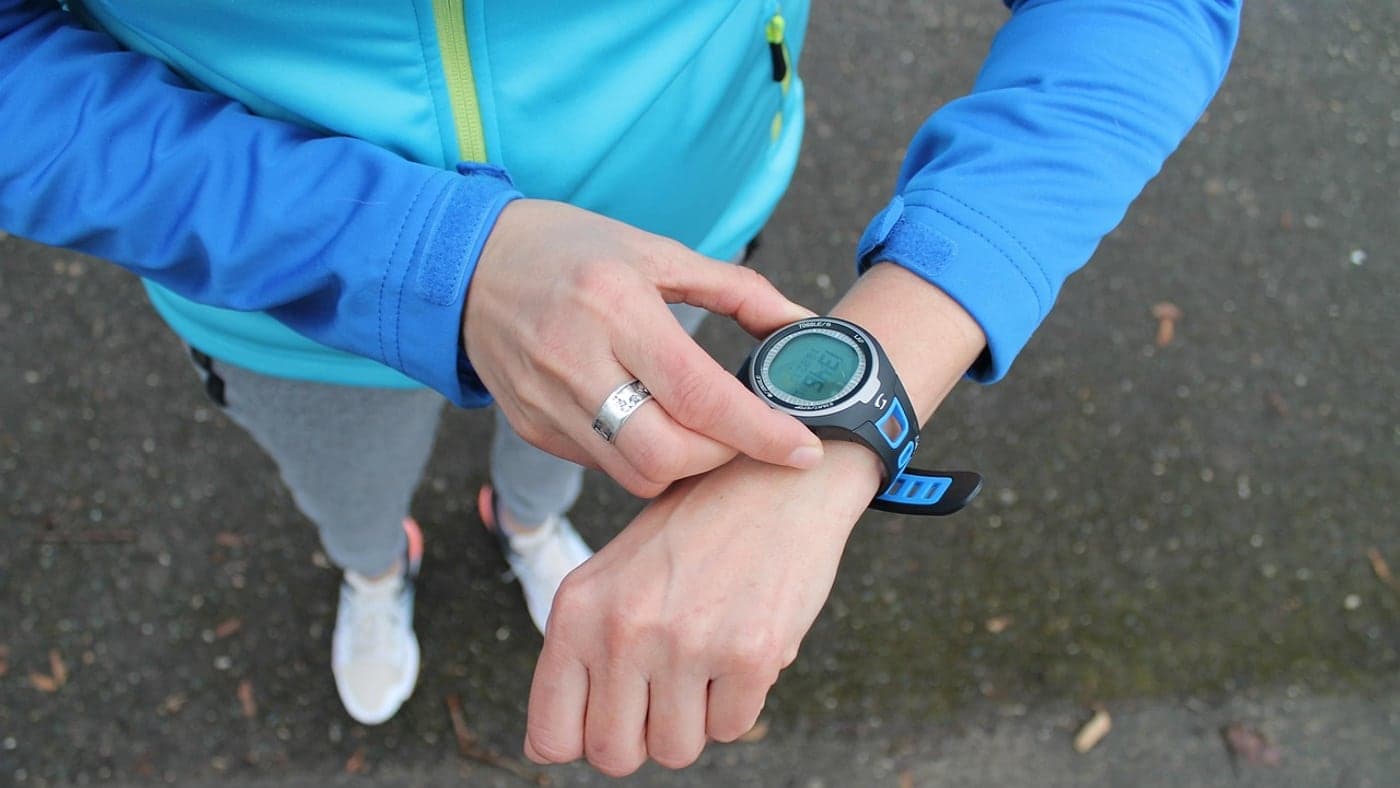
Phones and watches are good at slightly different things. Find the row closest to your situation.
| Situation | Phone enough? | When a watch helps |
|---|---|---|
| Run 2–3 times a week, easy | Yes | Not needed |
| Fine carrying a phone | Yes | Frees your hands |
| Checking pace mid-run | Clunky | Glance at your wrist |
| Intervals or race training | Limited | Lap alerts are handy |

Gear can wait. Why not tie your shoes and head out first?
2. Is a watch more accurate than a phone?
For distance, watches are generally steady, but the gap isn't decisive for beginners. A study that TrainingPeaks summarizes, by Johansson and colleagues, compared 225 runners' GPS watches with the official course distance at a 56 km ultramarathon. Median error was about 0.6–1.9%, and it was larger on hilly sections with many turns.
The same article says phones carried in an arm case, a shorts pocket, or a waistband were the least accurate. So where you carry your phone can shift the numbers. Since the article focuses on watches, though, this study alone can't tell you how phone apps differ from each other.
| What was checked | Source | What it means for you |
|---|---|---|
| GPS distance error | Median about 0.6–1.9% | Good enough for most |
| Where error grows | Hills, turns, trees | May be the course |
| Wrist heart rate error | Average about 3–6% | Treat as a guide |
| Phone carry position | Varies by position | Keep it fixed |
Heart rate is a bit different. In a 2016 study by Stahl and colleagues in BMJ Open Sport & Exercise Medicine, 50 people walked and ran on a treadmill for 30 minutes while six wrist devices were compared with a chest strap. While running, average error was about 3.3–6.2%, and the authors concluded the devices were accurate enough for recreational runners.
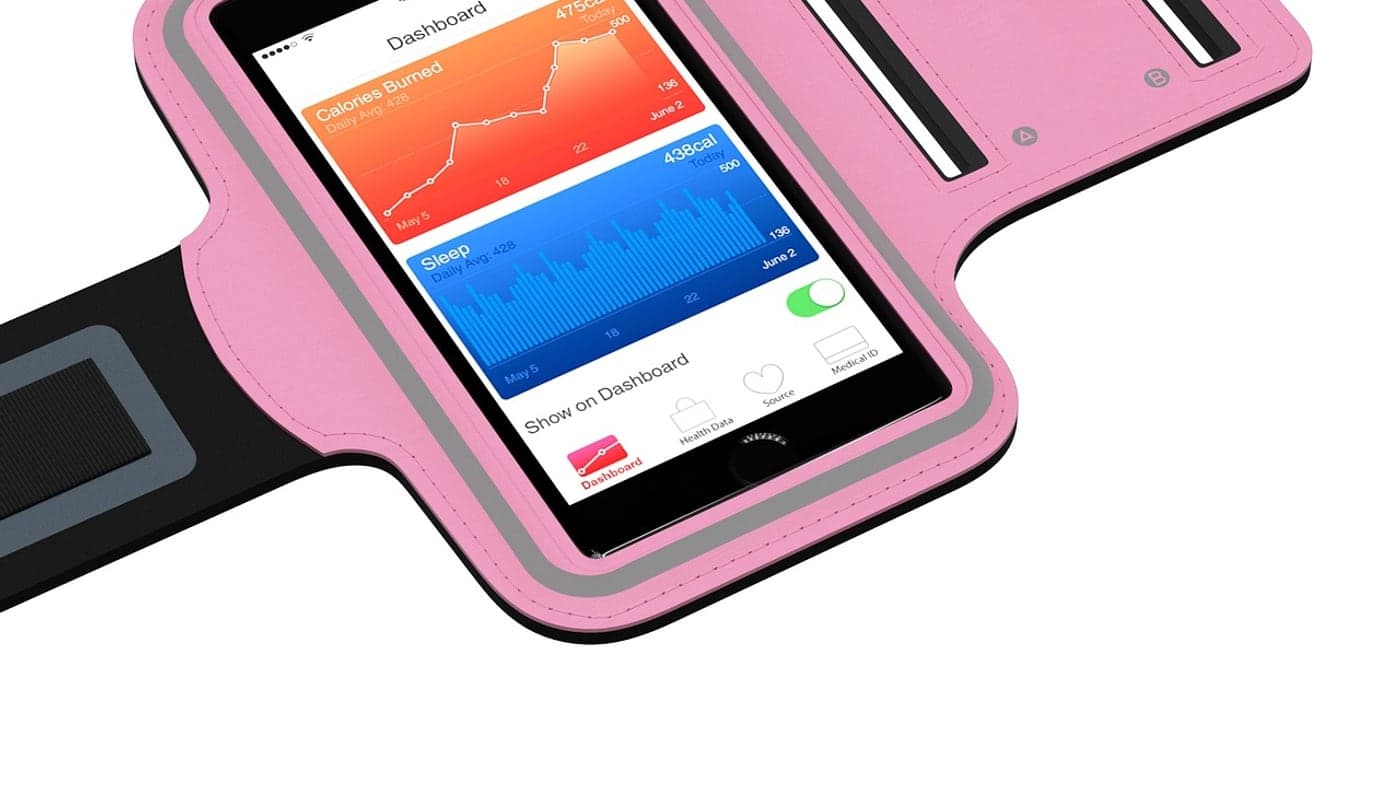
The study has limits. Participants were healthy adults aged 19 to 43 and were tested only on a treadmill, so outdoor runs and hard intervals weren't covered. Treat wrist heart rate as a guide for easy runs, and don't sweat a single number.
📌 Note
The Runners Need buying guide says wrist heart rate is fine for steady running, while a chest strap is more reliable for intervals and hard efforts. If heart rate isn't your goal, distance, time, and pace are plenty at the beginner stage. For reading those numbers, see How to Use Running Apps Smartly.
3. When does a running watch start to make sense?
If you're still torn, follow this flow. If running with your phone doesn't bother you and your training is simple, there's no rush.
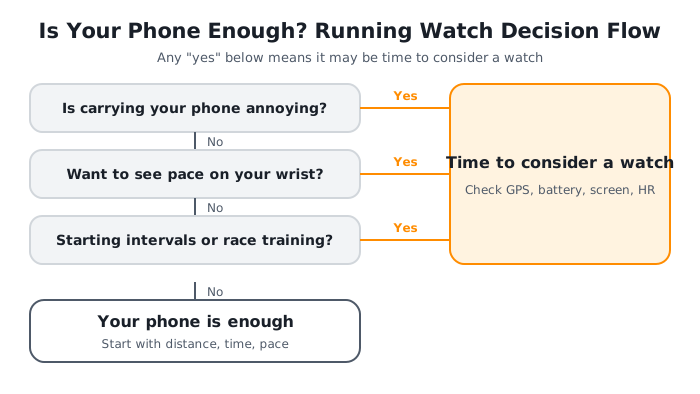
RunRepublic lists a GPS watch as useful for tracking routes in different places and for seeing real-time pace and distance to adjust effort. Some runners who train alone also like heart rate or emergency alerts for peace of mind. And if you want to leave the phone at home or see pace on your wrist, a watch is simply easier.
- Leaving the phone at home: A watch with built-in GPS lets you run phone-free.
- Seeing pace at a glance: One look at your wrist keeps your flow going.
- Starting intervals or race training: Lap alerts and pace targets help.
- Running long distances: Less phone battery drain and less to carry.

If tracking makes running feel like a chore, it's okay to turn the screen off today!
4. A feature checklist before you buy
If you're ready to buy, don't compare every spec. Look at four things. Runners Need says beginners need reliable GPS, a clear screen, heart rate tracking, simple pacing tools, and run/walk timers. Their advice that higher prices mostly add features, so you should pick the ones you'll use, is worth keeping in mind.
| What to check | What to look at | Beginner standard |
|---|---|---|
| GPS | Built-in, multi-band | Built-in is enough |
| Battery | Hours with GPS on | Longer than your runs |
| Screen | Readable in sunlight | Big and clear |
| Heart rate | Wrist vs strap | Wrist to start |
💡 Tip
Advertised battery life often assumes smartwatch mode. You'll run with GPS on, so look for the GPS-on figure in the product details.
Before or after buying a watch, keep your tracking simple. Set a goal like "3 runs this week" in the Wittiz app, log distance and pace with your phone, and check your month in the report. As the numbers add up, you'll see which features you really need, and the jelly you earn each run adds to the fun of dressing up Moongti.

No watch? No problem. Getting out and running is already a great record!
Frequently Asked Questions (FAQ)
Can I run with just my phone and no watch?
Yes. For your first few months, a phone app can record distance, time, and pace just fine. Strapping the phone snugly to your arm or waist reduces bounce. You can think about a watch later, when the phone starts to feel like a hassle.
Can I trust the heart rate on a running watch?
It's a reasonable guide for easy running. In the study, average wrist error while running was about 3–6%, but the participants were healthy adults on a treadmill, so it won't apply to every situation. Error can grow in sessions where heart rate jumps around, like intervals.
When is a good time to buy a running watch?
When carrying your phone gets annoying, or when intervals and race prep make lap alerts useful. If your first goal is a 5K, you can finish the first 5K 4-week plan with your phone and decide afterward. And if your shoes still aren't comfortable, How to Choose Your First Running Shoes is the better first stop.
Wrapping Up
A running watch is not a must-have, but a tool you add when you need it.
This week, run two or three times with your phone and jot down which numbers you actually wonder about. Moongti will run right beside you!
Try it for yourself in the Wittiz app!

References
- Stahl SE, An HS, Dinkel DM, Noble JM, Lee JM. (2016). How accurate are the wrist-based heart rate monitors during walking and running activities? Are they accurate enough? BMJ Open Sport & Exercise Medicine
- TrainingPeaks. How Accurate is your GPS Watch?
- RunRepublic. Running Watches and Apps: Do You Really Need Them?
- Runners Need. Running Watch Buying Guide: How to Choose
This article was written by the Wittiz team and includes app-related content. If you have chest pain or dizziness while exercising, or an existing medical condition, please be sure to consult a medical professional.