
What to Wear Running by Temperature: A Guide from 15°C Down to −10°C
💡 Key Summary
✅ Dress as if it were about 8–11°C (15–20°F) warmer than it is, and you'll feel just right once you're moving
✅ Wear several thin layers rather than one thick one, and cover your hands, ears and neck first
✅ Sweat-soaked clothes can chill you even around 4°C (40°F), so change into dry layers right after your run
The weather app says 10°C, and you're standing at the door wondering whether to grab a jacket or just a tee. Bundle up and you're sweating in five minutes; dress light and the first kilometre is miserable. This guide is for runners who can never figure out what to wear on a run, with a clear answer for each temperature range.
1. What to wear running: add about 10°C to the forecast
Your body makes a lot of heat while you run. That's why HealthPartners advises dressing as if it were 15–20°F warmer outside, which is roughly 8–11°C. You should feel a little chilly at the start and comfortable a few minutes in.

Running brand Oiselle's guide to running in any weather shares the same "rule of 20 degrees." It also notes that longer runs generate more heat, so you can wear less, while short runs call for a bit more.

A little chilly at the start line? That means you dressed right. You'll warm up fast!
2. What to wear at each temperature, at a glance
The chart below is a general starting point. Wind, rain, run length and how easily you get cold can move you up or down one step.
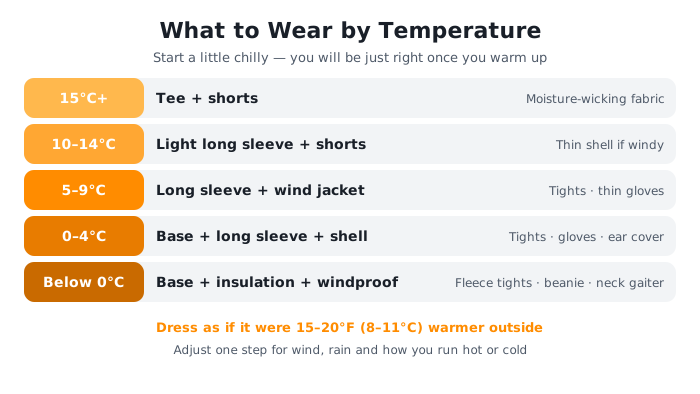
Think in terms of how it feels, not just the number. A windy 5°C feels far colder than a still one, so a windproof shell often helps more than one extra top.
- Door test: Stand outside for one minute before you start. If you feel warm, take a layer off.
- Start into the wind: Run the first half into the wind so it's at your back on the way home, when you're sweaty.
- Easy to shed: A top with a zip, or a thin jacket you can tie around your waist, makes adjusting simple.
💡 Tip
For autumn runs, make a tee plus a thin wind jacket your base, then add thin gloves and an ear cover for mornings and evenings only. You don't have to buy everything at once. Fill in the spot that felt coldest, one item at a time.
3. Layering: three thin layers beat one thick one
Oiselle describes a three-part system: next to skin, base, and outer. Each layer has its own job, so you can manage sweat and warmth more easily than with one heavy garment.
| Layer | Job | How to choose |
|---|---|---|
| Inner | Move sweat off skin | Snug, quick-drying fabric, no cotton |
| Middle | Hold warmth in | Thin fleece or vest |
| Outer | Block wind and light rain | Windproof or water-resistant, breathable |
HealthPartners recommends a base layer of moisture-wicking fabric rather than cotton, because cotton holds moisture and loses its warmth. For your legs, start with running tights and add wind-resistant pants over them when it gets colder.

One study is worth knowing about. In a 2015 paper in Extreme Physiology & Medicine, 12 active men ran for 40 minutes at 5°C wearing three outfits with the same total insulation but placed differently on the body. Core temperature and other measures didn't differ meaningfully, and the authors suggested that clothing you can open and close for ventilation may work better. It was a small study, so don't over-generalize it, but it hints that easy-to-adjust clothing matters more than fancy design.
4. Hands, ears, neck, and keeping wet clothes in check
Even with great layers, fingers and ears get cold first. Gloves, a beanie or ear cover, and a neck gaiter are small, cheap and easy to take off when you warm up.

What people often overlook is sweaty clothing. The CDC explains that hypothermia can develop even above 40°F (about 4°C) if you become chilled from rain or sweat. So this isn't only a winter concern.
- When you finish, put on dry clothes before you start a long cooldown.
- Keep a thin dry top in your bag.
- On cold days, choose a route you can keep moving on rather than one with long waits at traffic lights.
⚠️ Caution
Uncontrollable shivering, slurred speech, dizziness or clumsy hands can be signs of hypothermia. Get indoors and warm up right away, and seek medical help if symptoms don't ease. Pain or numbness in fingers, toes, ears or nose, with red or pale skin, can signal frostbite, so don't push through it. If you have heart disease or asthma, talk to your doctor before running in cold air.
If you pick outfits by feel alone, you'll repeat the same mistakes. On days you log a run in the Wittiz app, jot down the temperature and what you wore in a phone note. After a few weeks you'll have your own cheat sheet, and you can compare it with how your pace felt in your records. Less time deciding means it's easier to get out the door, and Moongti gets more runs too!
Frequently Asked Questions (FAQ)
Can I run in a cotton T-shirt?
On warm days and short runs, it's fine. In cool weather, cotton stays wet and can leave you chilled. At least make your inner layer a quick-drying technical fabric.
How cold is too cold to run outside?
Wind, road surface and how you feel matter more than one number. On icy or very windy days, skip speed work and shorten your run, or loop near home. That approach fits well with shorter days, as in our evening running routine guide.
Should I change out of sweaty clothes right after a run?
Yes, as soon as you can. Standing around in wet clothes cools you fast. In summer the problem flips to heat, so see the summer running diet guide for hydration and temperature tips.
Wrap-up
The answer for what to wear running is "start a bit cold, adjust with three layers, and change out of wet clothes quickly." If you're just getting started, the complete beginner running guide is a good next read.
This week, stand at the door for one minute before you run, and take off a layer if you feel warm. Moongti will run alongside you and tell you if you got it right!
Try it for yourself in the Wittiz app!

References
- Fournet D, Redortier B, Havenith G (2015). Can body-mapped garments improve thermal comfort for sport in the cold? Extreme Physiology & Medicine
- CDC. Preventing Hypothermia and Frostbite (Winter Weather)
- HealthPartners. Running in the Cold: Winter Running Safety
- Oiselle. The Oiselle Guide to Running in Any Weather
This article was written by the Wittiz team and includes app-related content. If you have heart disease, asthma or another health condition, or feel unwell while running in the cold, please be sure to consult a medical professional.