
Running and Your Immune System: Should You Run With a Cold?
💡 Key Summary
✅ Moderate running may lower your cold risk, while very hard exercise may do the opposite, though that's still a hypothesis
✅ If symptoms are only above the neck, cut your effort to half or less
✅ With a fever, or symptoms in your chest or whole body, resting is the safer call
When the mornings turn crisp, you might wonder: "Running is supposed to boost immunity, so is a runny nose a good enough reason to skip?" Then someone says exercise makes you sicker, and you're back to square one. This article is for runners who want to understand running and immunity, and decide whether to head out with a cold coming on, based on research and guidance from a medical center.
1. Does running more mean a stronger immune system?
Researchers often describe exercise and colds with a J-shaped curve. Light to moderate exercise may lower your risk of upper respiratory infections (what we call colds), while very intense exercise may raise it. A 2009 review on exercise and respiratory viral infections lays out this idea and is clear that it's still a hypothesis.
The same review describes a 15-week study where people who trained at a moderate level had shorter stretches of symptoms when they did catch something, compared with sedentary people. It also describes a study in which marathon runners had nearly six times the risk of a cold in the week after racing, compared with similarly trained runners who didn't race. Another study found no overall increase after a single race, so results are mixed.
| Exercise level | What studies showed | How solid is it? |
|---|---|---|
| Light to moderate | Fewer symptom days | Hypothesis, self-reported |
| Very hard and long | Higher infection risk after races | Mixed across studies |
| Racing while already sick | Higher chance of relapse | Some studies |
A rapid review from the University of Oxford in 2020 is more cautious. It rated the evidence as low quality, found no change in how often or how long respiratory infections lasted, and suggested a possible small drop in symptom severity. It also noted that most J-curve research involved elite or trained athletes, so it may not apply to everyday runners. Keep in mind it wasn't peer reviewed.

There's no firm answer yet that running boosts immunity. Not overdoing it is the key part!
2. Feeling a Cold Coming? Try the Neck Check
The most popular rule on a shaky morning is the neck check. If symptoms are only above the neck, like a runny nose or sneezing, light activity is generally fine. If they move into your chest or whole body, rest.
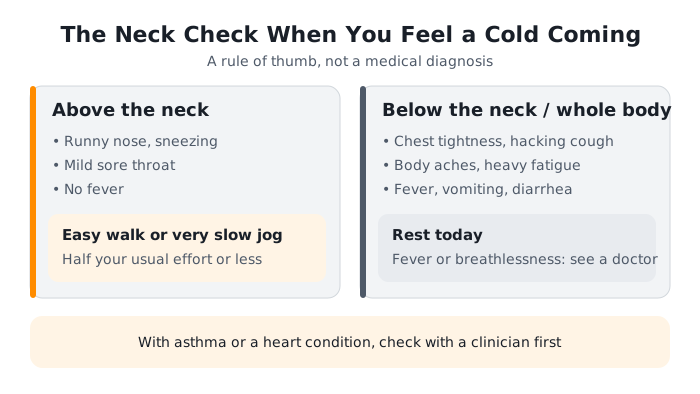
A sports medicine physician at Cleveland Clinic says it's probably safe to exercise with symptoms above the neck. Even then, she suggests cutting your effort by at least half and choosing gentler options like walking or yoga. With symptoms in several areas, she says to rest.
- Above the neck: runny nose, congestion, mild sore throat → walk or a very slow jog
- Below the neck: heavy cough, chest tightness, body aches → rest
- Fever, trouble breathing, chest tightness, vomiting, diarrhea, muscle aches, heavy fatigue → get medical guidance before exercising
To be honest, this is a rule of thumb. Among the sources the Wittiz team opened for this article, none tested the rule itself. So when in doubt, resting is the safest choice.
⚠️ Caution
If you have a fever, asthma or a heart condition, talk to a clinician before running, even with mild symptoms. If you feel chest pain, breathlessness, dizziness or faintness mid-run, stop right away and get medical care.
3. How Long to Rest, and How to Ease Back In
There's no fixed formula. The Cleveland Clinic physician says even a couple of days off won't set you back much, and advises building back up gradually until you feel ready. A short break won't erase your fitness, so there's no need to rush.

Try these steps when you come back.
| Step | What to do | What to check |
|---|---|---|
| Rest days | Sleep and drink fluids | Is the fever gone? |
| Walk | About 20 easy minutes | No cough or dizziness? |
| Easy jog | Half your usual effort | Breathing comfortable? |
| Normal routine | Add distance slowly | Do you still feel good? |
Let your body decide each next step. If symptoms flare, go back one step.

Resting is training too. After a good sleep, tomorrow's steps will feel lighter.
4. Keep Running This Fall and Look After Yourself
Research points to "steady and not overdone" rather than "as hard as possible." These habits help during the seasonal change. They're general tips, so results vary from person to person.

- Go easy for the week after a race or a very long run
- Layer up on windy days so sweat doesn't leave you chilled
- Change out of wet clothes right after your run
- Cut back your distance on weeks when you're short on sleep
If dressing is the hard part, see our guide to running clothes by temperature. For coming back after time off, the 30-day running habit plan can help, and the warm-ups in our running injury prevention guide are handy after a long break.
💡 Tip
On a sick week, swap distance goals for count goals, like "walk twice this week." A lower goal still keeps you consistent.
Lowering your goal while you're sick and raising it again afterward is the most realistic approach. In the Wittiz app, set a smaller goal for the week, then check your report once you feel better and build back up from your recent weekly counts. Moongti waits patiently while you rest and welcomes you back when you run again.

Coming back after a break is totally fine. Start slow and I'll bounce along with you!
Frequently Asked Questions (FAQ)
Can I run with a runny nose?
If you have no fever and only symptoms above the neck, such as a runny nose or sneezing, walking or a very easy jog is generally considered okay. Keep the effort at half or less. If symptoms worsen or you feel unsure, rest.
Does running really mean fewer colds?
Some studies suggest moderate exercise shortens symptom days, but it's still a hypothesis and some reviewers rate the evidence as low quality. It's hard to claim you'll definitely catch fewer. Steady, not overdone, is the safer approach.
Why be extra careful right after a marathon?
One study found finishers had higher infection risk for a week afterward, though other results differ. Even so, easy runs and more rest right after a race are a low-cost choice.
Wrapping Up
Immune benefits come from "moderate and steady," not "more and harder." On unsure days, do the neck check, and rest if anything feels off.
This week, check in with your throat and body when you wake up before deciding whether to run. Even on rest days, Moongti will wait right beside you!
Try it for yourself in the Wittiz app!

References
- Martin SA, Pence BD, Woods JA (2009). Exercise and respiratory tract viral infections. Exercise and Sport Sciences Reviews
- McCall MC, Heneghan C, Nunan D (2020). Does physical exercise prevent or treat acute respiratory infection (ARI)? Centre for Evidence-Based Medicine, University of Oxford
- Cleveland Clinic. Should You Work Out When You're Sick?
This article was written by the Wittiz team and includes app-related content. If you have a fever, asthma, a heart condition or another medical issue, or feel unwell while running, please be sure to consult a medical professional.