
Side Stitch While Running: Causes and Quick Fixes That Work
💡 Key Summary
✅ About 70% of runners get a side stitch within a year, so it's very common
✅ The exact cause isn't confirmed, but meal timing, posture and core strength are all linked
✅ When one hits, slow down, breathe out long and lean forward a little
You're cruising along, and suddenly a sharp pain stabs you under the ribs and you have to stop. It fades quickly, but you start to wonder whether it'll strike again on the next run. This guide is for runners who want to know why a side stitch happens and what to do about it, based on what the research shows.
1. What is a side stitch, anyway?
In scientific papers it's called exercise-related transient abdominal pain, or ETAP. A 2015 review by Australian researchers found that about 70% of runners had one in the past year, and roughly 1 in 5 runners can expect one in a single race.

The pain is most common along the lower edge of the ribs on the side of your belly. It's sharp or stabbing when severe, and cramping or pulling when mild. Some people also feel it at the tip of the shoulder, and it usually goes away when you ease off.
| Question | What the research found |
|---|---|
| Runners with one in a year | About 70% |
| People with one in a single race | About 1 in 5 |
| 14 km race survey (848 people) | 30% of runners, 16% of walkers |
| Where it hurts | Along the lower ribs |

Seven out of ten runners get these. You're not weird, so don't worry!
2. Why does a side stitch happen? What research says
Honestly, nobody has pinned down the exact cause yet. The review lists several theories, including reduced blood flow to the diaphragm, strain on the ligaments that hold the organs, and irritation of the lining of the abdomen. Irritation of that lining fits the symptoms best, but the authors say more research is needed.
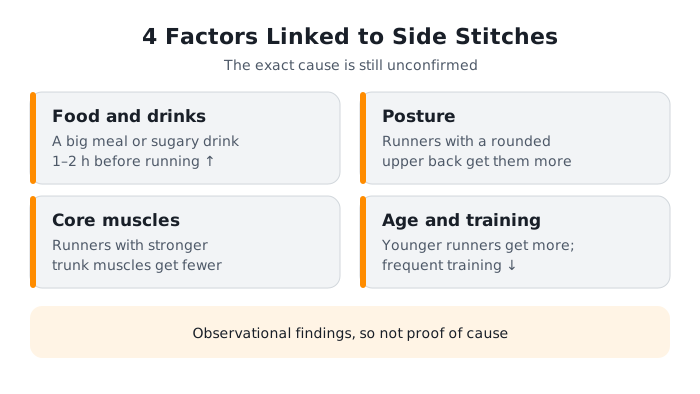
Even without a confirmed cause, we know who tends to get them more. These are the factors the researchers pointed to.
- Runners who ate a lot for their body weight 1–2 hours before a race reported stitches more often in a 2005 survey
- Sugary, concentrated drinks were especially likely to trigger pain
- People with a rounded upper back (kyphosis) were more likely to get stitches
- Runners with weaker trunk muscles had them more often
- Stitches were more common in younger people and less common in people who trained often
Sex and body type didn't matter. Even well-trained athletes aren't immune, so it isn't only a sign of poor fitness.
💡 Tip
One sports medicine doctor describes a stitch as a diaphragm spasm, especially common in beginners or when you suddenly raise your pace or distance. Experts explain it a little differently, but they agree on one thing: be careful on days you suddenly push harder.
3. What to do when one hits mid-run
It's a signal from your body, so don't just grit your teeth. Try these steps in order, and most stitches fade within a few minutes.
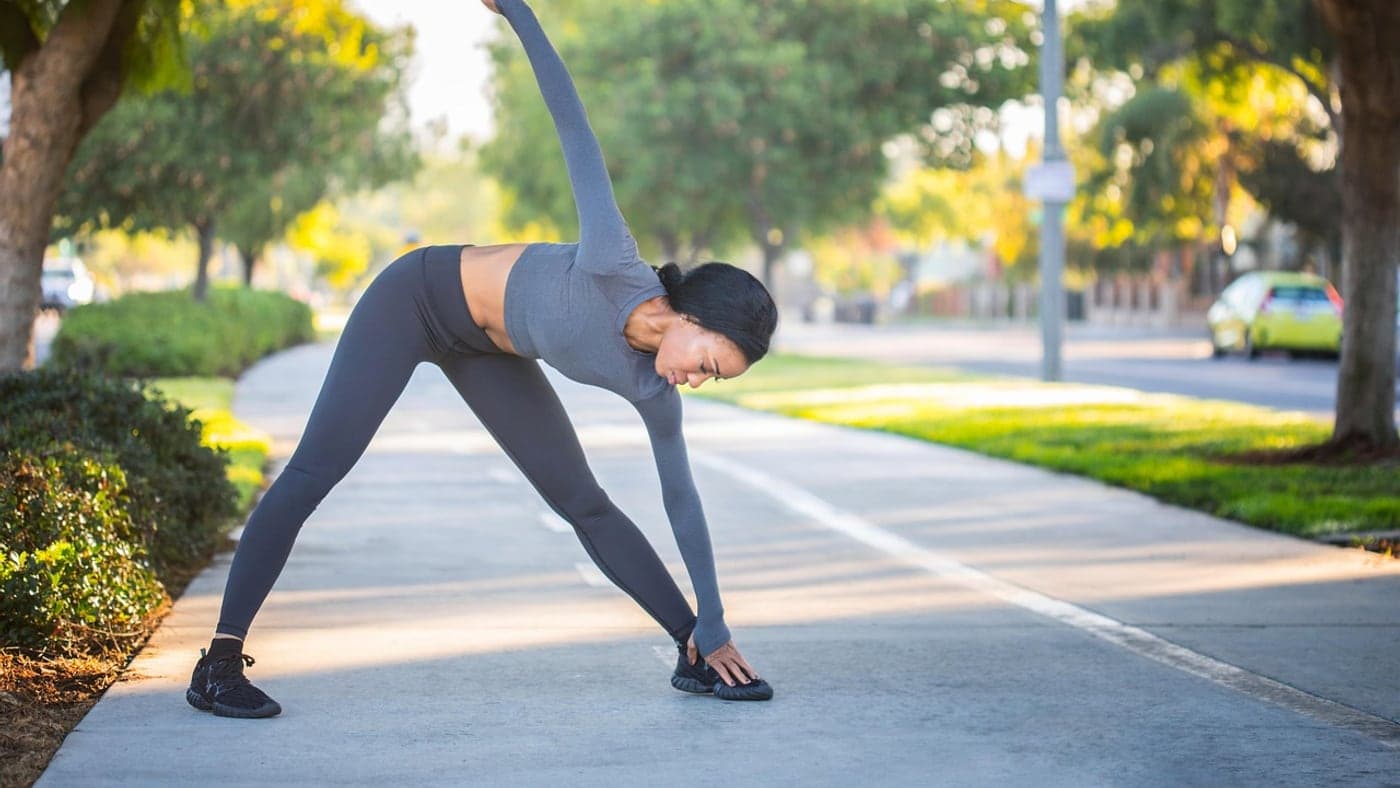
- Slow down or walk while you settle your breathing
- Purse your lips like you're whistling and breathe out slowly
- Lean your upper body forward a little, tighten your belly, then release
- Press gently on the sore spot with your hand
The evidence behind each fix varies. The review notes that most relief tips are anecdotal and studies disagree.
| Method | How | Evidence |
|---|---|---|
| Slow down | Walk or jog easy | Practical advice |
| Lean forward | Bend over, tighten abs | Small experiment |
| Pursed-lip exhale | Slow, long, like whistling | Small experiment |
| Relax the abs | Let your belly go | No effect found |
⚠️ Caution
If the pain lasts more than 30 minutes after you stop, comes with fever or vomiting, or sits in the lower right belly, it may not be a running stitch. Stop right away and see a doctor if you also have chest pain, dizziness or breathlessness that won't settle.
4. Four habits to cut your risk on the next run
Here are the factors linked to stitches, turned into everyday habits. Most are based on experience rather than hard proof, so results vary from person to person.
| Habit | What to do | Why |
|---|---|---|
| Meal gap | Finish eating 2+ hours before | Big meals raise risk |
| Drinks | Skip sugary, strong drinks | They can trigger pain |
| Posture | Chest open, eyes forward | Linked to a rounded back |
| Core | Planks etc., 10–15 min, 3x a week | Strong trunk, fewer stitches |
If you're unsure about meal timing, check When to Eat Before and After a Run for what to eat at each time. And if running is still new to you, the warm-up and run-walk routines in The Complete Beginner's Guide to Running will help.

What the studies agree on is that people who run more often get fewer stitches. In the Wittiz app, set a realistic goal like "run 3 times this week," then look back at the days your side hurt in your report next to your run time. You'll spot how meal timing and how you felt line up, and the jelly you collect lets you dress up Moongti along the way.

Log the achy days too, and you'll dodge them better next time. Easy does it, together!
Frequently Asked Questions (FAQ)
Should I stop if I get a side stitch while running?
Slowing down or walking while you steady your breathing settles most stitches. Don't force the same pace, and take a beat to recover. If it stays bad even after resting, call it a day.
Will a side stitch go away if I run more?
Studies show people who train often get fewer stitches, but even well-trained athletes aren't fully immune. Expect them to become less frequent, not vanish. Keep up the meal timing and posture habits too.
Does it matter whether the pain is on my right or left side?
You can't tell the cause from the side alone, since stitches can show up on either side while running. But if the pain continues after you rest, or comes with fever or vomiting, get checked.
Wrapping Up
A side stitch while running is common, and you can cut it down with meal timing, posture and trunk strength. The cause isn't fully known, but there are clear things you can try when one hits.
This week, finish eating at least 2 hours before you run and open your chest once before you start. If your side pulls, Moongti will be right there breathing along with you!
Try it for yourself in the Wittiz app!

References
- Morton D, Callister R (2015). Exercise-related transient abdominal pain (ETAP). Sports Medicine
- Morton DP, Richards D, Callister R (2005). Epidemiology of exercise-related transient abdominal pain at the Sydney City to Surf community run. Journal of Science and Medicine in Sport
- RunnersConnect. Are Side Stitches Dangerous? Causes, Treatment & Prevention
- HSS. How to Prevent Side Stitches from Ruining Your Run
This article was written by the Wittiz team and includes app-related content. If your abdominal pain lingers, you have an existing medical condition, or you feel unwell while running, please don't push through it and be sure to consult a medical professional.