
Night Running Safety Gear: How to Choose Reflective Wear and Lights
💡 Key Summary
✅ At night, what matters first is whether drivers can see you, not whether you can see them
✅ Reflective trim works best on moving parts like ankles and wrists, not just on your torso
✅ Layer bright clothing, reflective trim and a light, and pick well-lit routes you know
As the days get shorter, after-work runs slide into the dark. Maybe you've headed out in black tights and a black jacket, only to have a car appear from a side street out of nowhere. This guide is for runners who are starting night running or about to, with simple rules for choosing reflective gear and lights.
1. Night running: clothing color changes how far away drivers see you
Drivers spot pedestrians at night from a shorter distance than most people expect. A Korean police officer's 2015 newspaper column describes a test by an official institution in which a car traveling at 60 km/h (37 mph) could make out a person's shape at about 50 m (164 ft) in white and about 18 m (59 ft) in black.
The chart below compares the colors. It's a single test reported secondhand, so treat the exact numbers loosely and take away the trend: the darker the clothes, the later you're seen.
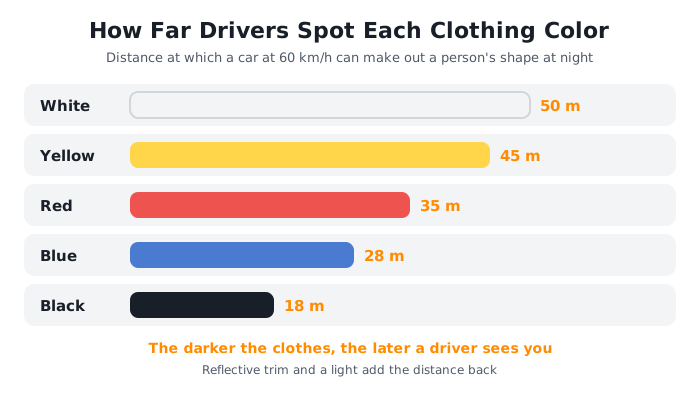
A car at 60 km/h covers about 17 m every second. Spot someone at 18 m and there's almost no time to brake. That's why at night you should worry less about seeing the car and more about being seen.

Dark clothes hide me at night. Add a bright color or one reflective band, please!
2. Where should you put reflective trim?
Not all reflective clothing helps equally. In a 2007 Journal of Vision study by Tyrrell and colleagues, 24 drivers (12 younger, 12 older) drove a closed road at night and pressed a button when they noticed a pedestrian at the roadside. Each pedestrian wore black with the same amount (663 cm²) of reflective material in different layouts.
With no reflectors, or only a vest, most pedestrians were never detected. With reflectors on the ankles and wrists, younger drivers responded at an average of 285 m and older drivers at 141 m. The idea behind it is that drivers recognize a person when they see moving joints.
| Placement | Why it helps | Examples |
|---|---|---|
| Ankles | Moves up and down as you run | Reflective bands, socks |
| Wrists | Moves with your arm swing | Bands, gloves |
| Torso | Large surface area | Vest, reflective jacket |
| Shoes, hat | Covers low and high spots | Heel reflectors |
📌 Note
Studies like this are mostly small and done in controlled settings. A Cochrane review (Kwan & Mapstone) looked at 42 trials but found no evidence on whether visibility aids actually reduce crashes or injuries. Reflective gear raises your chances of being noticed, but it doesn't guarantee safety.
3. How to choose a light
Reflective trim only shines when a car's headlights hit it. A light that makes its own glow adds a safety margin. Running site Marathon Handbook says a headlamp helps drivers see you and also shows potholes and debris at your feet.
A few features are enough to check. This isn't a product pick, just the criteria.
- Brightness modes: Low on lit streets, high on dark stretches.
- Rear red light: A tail light or clip-on light so cars and bikes behind you can see you.
- Light and stable: A snug band keeps the beam from bouncing as you run.
- Battery: Check it before you go. Cold weather can drain it faster.
💡 Tip
Start with a three-piece set: a bright top, reflective bands on your ankles or wrists, and one clip-on light. Add pieces as you find gaps. For colder-weather layers, see What to Wear Running by Temperature.
4. Routes and habits matter more than gear
Even with gear, a dark road shoulder stays risky. Running outlet Active advises picking bright, familiar routes and running facing traffic on roads so you can see cars coming. It also suggests removing headphones or using one earbud, and telling someone your route and expected return time.
- Stick to lit routes: Choose familiar streets with sidewalks and lights. Walk a new route in daylight first.
- Pause at crossings: Don't assume a driver has seen you. Make eye contact or slow down.
- Skip isolated parks and trails: Footing is hard to see in the dark.
- Tell someone if you run alone: Share your route and expected return time.
⚠️ Caution
If you feel dizzy, get chest tightness or break into a cold sweat, stop right away and rest somewhere safe. In the dark even a small trip can cause a fall, so run slower than usual. If you have a heart or lung condition or poor eyesight, talk to a medical professional before night running.
At night, getting home safe comes before any record. In the Wittiz app, set this week's goal by number of runs instead of distance, and log the runs you do on bright routes. Pick a running friend and send each other cheers, which makes heading out on a dark evening easier, and Moongti grows along with you.

Geared up and glowing? Then let's go. Bright routes, together!
Frequently Asked Questions (FAQ)
What color should I wear for night running?
Bright or neon colors get noticed earlier than dark ones. Color alone isn't enough, so add reflective trim and a light. For layering on chilly evenings, pair this with our evening running routine guide.
Headlamp or clip-on light: which one if I can only pick one?
On dark paths, a headlamp that lights the way ahead is better. In a bright city, one clip-on light can be a fine start. Either way, add a red light that people behind you can see.
Is a reflective vest enough?
It may not be. In the study above, pedestrians wearing only a vest were mostly never detected, while reflectors on ankles and wrists got reactions from much farther away. If you're new to running, check the basics in our complete beginner's running guide.
Wrapping up
Night running safety starts with layering bright clothes, reflective trim on moving parts, a light and a well-lit route.
Before your next run this week, turn off the lights, stand in front of a mirror and see how much of your outfit shows. Tonight with one reflective band on, Moongti will sparkle ahead of you and light the way!
Try it for yourself in the Wittiz app!

References
- Tyrrell R, Wood J, Chaparro A, et al. (2007). Seeing pedestrians at night: The benefits of biological motion are robust to clutter. Journal of Vision
- Kwan I, Mapstone J. Interventions for increasing pedestrian and cyclist visibility for the prevention of death and injuries. Cochrane Database of Systematic Reviews
- Active.com. Running at Night: Tips for Safety and Enjoyment
- Marathon Handbook. Running At Night: 6 Safety Tips, Benefits, And Things To Consider
This article was written by the Wittiz team and includes app-related content. If you have a heart or lung condition or vision problems, or feel unwell during a night run, please be sure to consult a medical professional.