
When to Take Energy Gels: Fueling Strategy for the Half and Full Marathon
💡 Key Summary
✅ A common plan is your first energy gel about 40–45 minutes in, then one every 30–35 minutes
✅ Past 90 minutes, 30–60 g of carbs per hour is typical, and marathoners often aim for 60–90 g
✅ Skip anything new on race day and practice with the same gel on your long runs
"Take your gel before you hit the wall," right? But as race day gets closer, it's hard to know when to tear open the first one, how many to pack, and whether your stomach will stay on your side. This guide is for runners building their first half or full marathon fueling plan: when to take energy gels, how much, and how to practice.
1. How Many Energy Gels Do You Need?
An energy gel is a fast-absorbing carbohydrate you take while running. In a review paper, sports nutrition researcher Asker Jeukendrup notes that efforts of around an hour don't need much, while carbohydrate becomes essential once exercise lasts about 2 hours or more. For 2–3 hours, he suggests up to about 60 g per hour.

| Time running | Carbs per hour | Note |
|---|---|---|
| Under 60 min | Usually none | A pre-run meal is enough |
| 60–90 min | 0–45 g | More for harder efforts |
| 90 min–2.5 h | 30–60 g | 60–75 g on hard days |
| Marathon | 60–90 g | Higher if well trained |
These ranges come from the running outlet Marathon Handbook. The paper and the outlet don't match exactly, so think of it as a range, not one right answer.
Convert to gels using the carbs listed on the label. Say a gel lists 25 g: 60 g per hour is roughly 2.4 gels (my own example math, and products vary). For your everyday meals, see Fasted Running vs. Eating First: When and What to Eat Before and After a Run.

Check the grams on the label, not just the gel count. Every brand is different!
2. When Should You Take the First Gel, and How Often?
The fueling guide from RaceCast says the old advice of 25–30 minutes is probably too early and suggests about 40–45 minutes in. After that, one gel every 30–35 minutes keeps you near 60 g per hour. It also mentions a gel 10–15 minutes before the start.
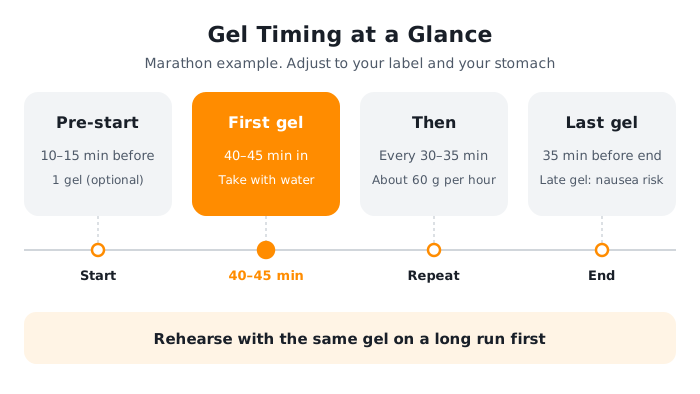
- 10–15 min before the start: 1 gel (optional)
- First gel: 40–45 minutes in
- After that: 1 gel every 30–35 minutes
- Last gel: about 35 minutes before your expected finish
The last gel is about 35 minutes out rather than right at the end. For a 3:30 goal, that's around the 2:55 mark.
💡 Tip
Time it by watch, not by distance signs. Set alarms for 40–45 minutes, then every 30–35 minutes, so tired legs don't make you forget.
3. Train Your Stomach So Gels Don't Backfire
Taking in a lot of carbs can cause cramps or bloating. Jeukendrup's review explains that a single sugar like glucose tops out at around 60 g per hour, and beyond that mixing carbs that absorb through different routes, such as glucose and fructose, helps. Some athletes do get stomach trouble at higher amounts, and rehearsing your race fueling in training is recommended to reduce it.

| When | What to practice | Tip |
|---|---|---|
| 8–10 weeks out | Add gels to long runs | Start with 1 per hour |
| Next few weeks | Add 10–15 g per hour | Step back if it hurts |
| Final weeks | Practice at race pace | Same brand, same timing |
This table blends guidance from Precision Hydration (start 8–10 weeks out) and Marathon Handbook (build up 10–15 g per hour at a time). It's practical guidance runners use, not a schedule proven by one study.
⚠️ Caution
If you have diabetes or manage blood sugar, or have a digestive condition, talk to your doctor or dietitian before increasing your fueling. If cramps, vomiting, dizziness or a cold sweat get worse while you run, slow down or stop. If it keeps happening, get it checked.
4. Building Your Half and Full Marathon Fueling Plan
Precision Hydration sets carbs per hour by goal finish time. Faster runners tend to have higher hourly targets.
| Goal time | Carbs per hour | Feel |
|---|---|---|
| 3:01–3:30 | 60–90 g | Active fueling |
| 3:31–4:00 | 60–75 g | Steady, spread out |
| 4:01 or more | About 60 g | One at a time, on a schedule |
The table is for marathons in cool weather. A half usually takes 90 minutes to 2 hours, so starting within 30–60 g is plenty.
Plan water separately. Precision Hydration uses 300–600 ml of fluid per hour as its guide, and RaceCast says to take standard gels with plain water. For the meal before the race, see How to Carb Load, and for the bigger training picture, Half Marathon Training: A 12-Week Plan from 10K to 21.1 km.
Fueling practice only helps if you write it down. In the Wittiz app, set a goal like "1 long run this week," then jot down when you took gels and how your stomach felt. Compare days in your records and reports to see which spacing kept your pace steady. The jelly you earn for hitting goals lets you dress up Moongti, too.

Nothing new on race day! Let's run with what felt good in practice!
Frequently Asked Questions (FAQ)
Do I need energy gels for a half marathon?
It depends on your time. Around 90 minutes, normal meals are often enough, and closer to 2 hours you could consider 30–60 g per hour. Test it in training first.
Do I have to take energy gels with water?
Standard gels are generally taken with plain water rather than sports drink. If a product's label says no water is needed, follow its directions.
What if gels don't sit well?
Drop one step in amount and widen the spacing. You can also try chews or a drink instead of a gel. If symptoms are strong or keep coming back, talk to a medical professional.
Wrapping Up
A good starting point: first gel at 40–45 minutes, then every 30–35 minutes, and the last one about 35 minutes before the finish. These are ranges, so find the routine your stomach likes in training.
On your next long run, set an alarm for 40 minutes and try one gel. Moongti will be waiting at the aid station!
Try it for yourself in the Wittiz app!

References
- Jeukendrup A (2014). A Step Towards Personalized Sports Nutrition: Carbohydrate Intake During Exercise. Sports Medicine
- Marathon Handbook. How Much Fuel Do Runners Actually Need?
- Precision Hydration. How to Fuel Your Marathon
- RaceCast. What Runners Got Wrong About Race Day Nutrition Timing
This article was written by the Wittiz team and includes app-related content. If you have diabetes, a digestive condition or other health concerns, or feel unwell while fueling during a run, please be sure to consult a medical professional.