
Sore After Running? When to Rest and When to Run
💡 Key Summary
✅ Soreness after running usually starts 1–3 days later and fades gradually within days
✅ Sharp, constant pain, big swelling, or a changed gait are signs to rest, not run
✅ Massage had the strongest evidence among recovery methods, while stretching didn't reduce soreness
You ran long yesterday for the first time in a while, and now the stairs look scary. Then you reach for your shoes and wonder, "Is this something to rest off, or can I just run?" This guide is for runners deciding whether to run on sore muscles after a run, with ways to tell soreness from injury and what the evidence says about recovery.
1. Why Does Soreness After Running Show Up a Day or Two Later?
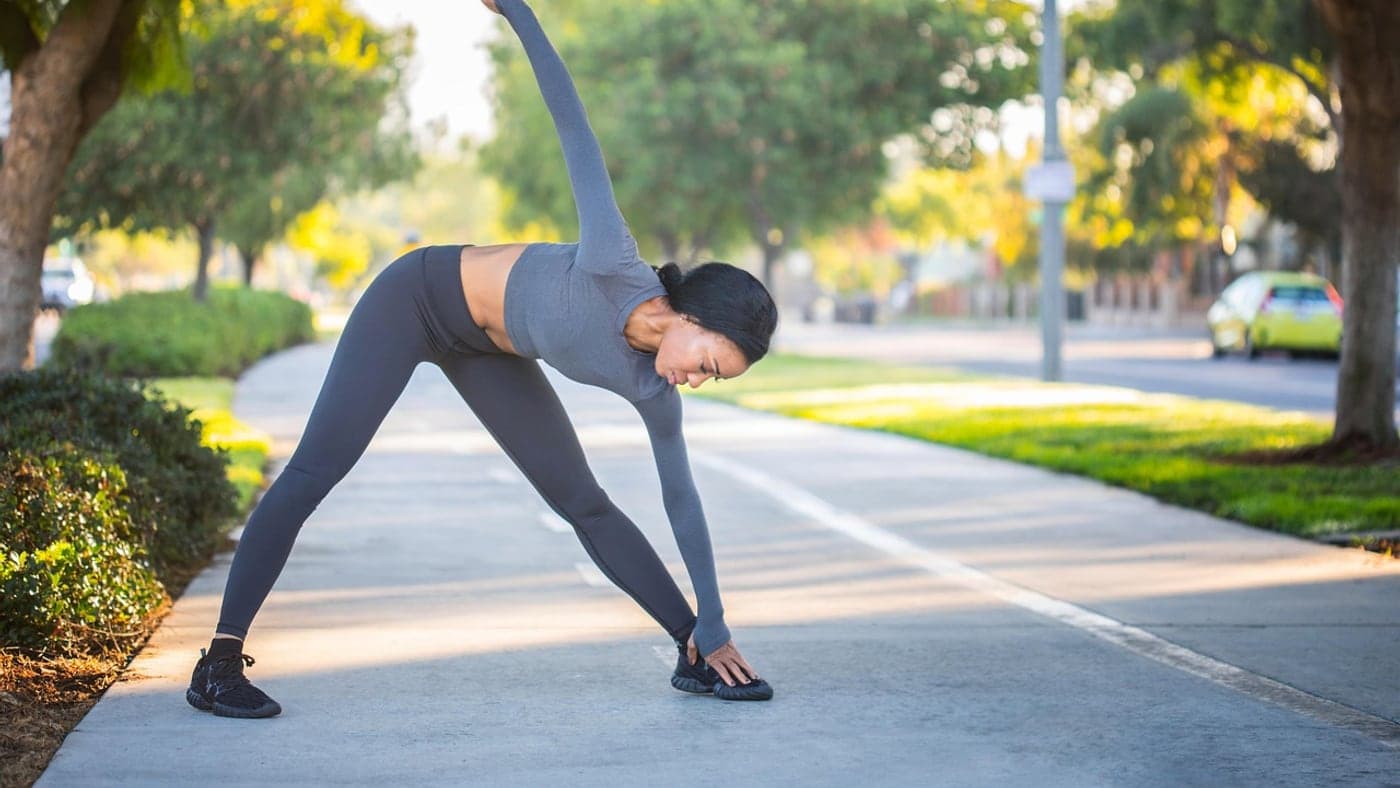
The proper name for it is delayed onset muscle soreness, or DOMS. According to Cleveland Clinic, it shows up when you push muscles harder than usual or try something new, and it starts one to three days after exercise. Movements where a muscle lengthens while working are especially likely to cause it, and downhill running is a classic example.
| Situation | Why it causes soreness | What to do |
|---|---|---|
| First run in a while | Muscles are out of practice | Build distance slowly |
| Downhill course | Muscles lengthen under load | Take the first descent easy |
| A faster-than-usual day | Intensity jumps suddenly | Rest between hard days |
When you repeat the same workout, muscles usually adapt and the soreness shrinks. If you're just starting harder runs, raising the intensity bit by bit, like in Interval Running for Beginners, helps keep soreness manageable.

Next-day soreness means your muscles were surprised by something new. Introduce it slowly and they'll adapt fast!
2. How to Tell Soreness From Injury Signs
Soreness usually fades within a few days and rarely lasts more than five. Cleveland Clinic explains that soreness lasting a week or more may point to an injury such as a muscle strain. A Runner's World South Africa article adds a simple test: does your gait change?
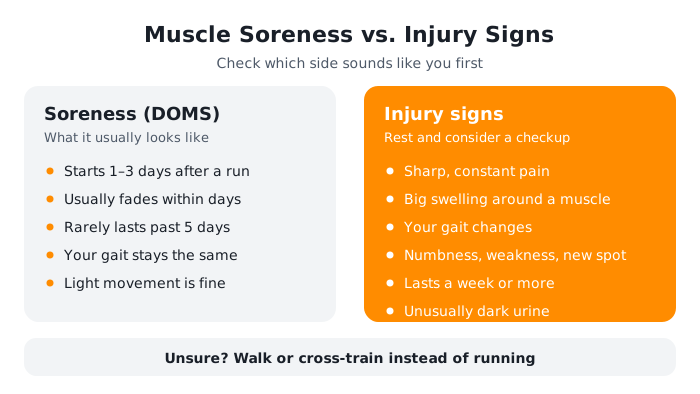
Here are the dividing lines both sources point to.
- Soreness: it eases gradually within days, and your walking form stays the same
- Injury signs: sharp, constant pain, big swelling, or a changed gait
- Pain in a new spot, numbness, or weakness may mean an injury
- If you get sore after most workouts, it's worth seeing a provider
⚠️ Caution
If your urine is unusually dark or looks bloody, stop exercising and see a doctor. Sharp constant pain, big swelling around a muscle, pain so bad you can't use part of your body, or pain that doesn't improve after a week also needs a checkup. Overworking muscles can rarely lead to an emergency called rhabdomyolysis, so go to the ER if you suspect it.
3. Can You Run on a Sore Day?
Runner's World South Africa says you can usually run while sore, but if the soreness changes your gait, skip the run or cross-train. It also notes an easy run can ease stiffness. Running while very sore, though, can add muscle damage and inflammation.

| How you feel today | What to do | Key point |
|---|---|---|
| Mildly stiff | Easy run, 20–30 min | Conversation pace |
| Stairs are hard | Walk, bike, or yoga | Skip running today |
| Your gait changed | Stop running | See a doctor if it lingers |
The article suggests keeping easy effort around 5 or 6 out of 10. Softer ground like grass or gravel is kinder to your legs, and downhills are especially hard on them. For recovery after a big race, see Marathon Recovery Guide.
On wobbly-leg days, rest is the plan. A walk alone means you did great today.
4. What Does Research Say About Recovering From Soreness?
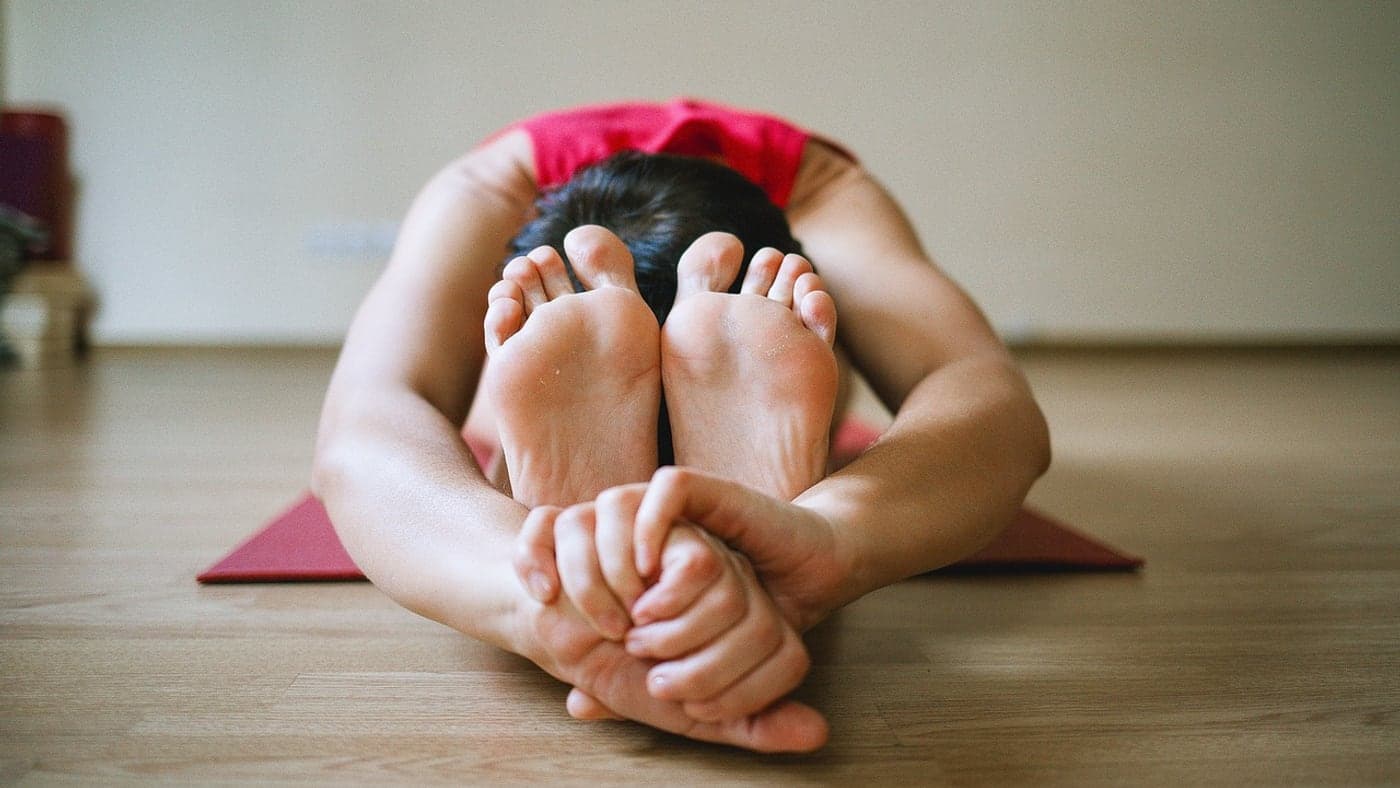
A 2018 meta-analysis by Dupuy and colleagues pooled 99 studies on post-exercise recovery methods. For reducing soreness, massage had the largest effect, followed by active recovery and compression garments. Stretching did not reduce soreness, and within 6 hours of exercise it might even increase it.
| Method | Soreness-reducing effect | Note |
|---|---|---|
| Massage | Largest | Foam rolling is common |
| Active recovery | Moderate | Walking, easy movement |
| Compression garments | Moderate | Also eased fatigue |
| Stretching | No effect | Careful right after |
This analysis only looked at one session of each method, and participants couldn't be blinded, so placebo effects can't be ruled out. Rather than buying pricey tools, treat walking, enough fluids, and sleep as the base, and add massage or a foam roller as comfort allows. For meals, see Fasted Running vs. Eating First.
In the Wittiz app, try lowering your goal in a sore week to a count, like "3 times, under 20 minutes." Looking back at recent weeks in the report often shows where you suddenly raised your distance, which is a clue for avoiding the next bout of soreness. Moongti welcomes you back on rest days too, so rest without guilt.

Runners who listen to their bodies run for years. Rest today, go farther tomorrow!
Frequently Asked Questions (FAQ)
How long does soreness after running usually last?
It usually starts 1–3 days after exercise and fades within a few days. Cleveland Clinic says it rarely lasts more than five days, and a week or more may point to an injury such as a strain. If it hasn't improved after a week, see a provider.
Is a light run better than rest when I'm sore?
If you're just mildly stiff, an easy run may help loosen up. If your gait changes or the pain is strong, switch to walking or cycling. You never have to run.
Isn't stretching good for sore muscles?
In the 2018 meta-analysis, stretching didn't reduce soreness. That doesn't mean it's harmful, so keep it light and only as far as it feels good. If the pain is sharp or on one side only, consider a checkup instead of stretching.
Wrapping Up
Soreness after a run usually fades within days, and sharp pain or a changed gait means rest comes first. Massage had the strongest evidence, but walking, fluids, and sleep are the base.
This week, on a stiff-legged day, try a 20-minute walk instead of an easy run. Moongti will walk along with you, nice and slow!
Try it for yourself in the Wittiz app!

References
- Dupuy O et al. (2018). An Evidence-Based Approach for Choosing Post-exercise Recovery Techniques to Reduce Markers of Muscle Damage, Soreness, Fatigue, and Inflammation: A Systematic Review With Meta-Analysis. Frontiers in Physiology
- Cleveland Clinic. Delayed Onset Muscle Soreness (DOMS)
- Runner's World South Africa. Should You Continue Running When Sore?
This article was written by the Wittiz team and includes app-related content. If your pain keeps going or you notice swelling or dark urine, please be sure to consult a medical professional.