
Marathon Recovery Guide: From the Day After to Two Weeks Out
💡 Key Summary
✅ Right after the finish, walk 5–10 minutes to cool down, then start recovering with fluids, carbs, and protein
✅ Coaches suggest about a week off, while one study found running 48 hours later didn't slow recovery
✅ Keep to easy runs with no hard workouts through week 3, and rest first if anything hurts
You crossed the line, the medal's around your neck, and then the next morning you learn that stairs are terrifying. But once you try to rest, you worry about losing fitness, and the urge to run again creeps in. This guide is for marathon finishers wondering how to recover, laying out the plan from the finish line through two weeks.
1. Marathon Recovery Starts in the First 24 Hours
A recovery guide in Marathon Handbook says not to stop dead at the finish but to walk slowly for 5–10 minutes to settle your body. Stopping suddenly can make you dizzy. After that, it suggests fluids and electrolytes, carbs and protein, and a 1–2 hour nap.
| Right after | What to do | Why |
|---|---|---|
| Walk | 5–10 min, slowly | Prevents dizziness |
| Eat | Carbs + protein, water | Refuel |
| Rest | A 1–2 hour nap | Recovery begins |
The basics of eating after a run are in Fasted Running vs. Eating First: a normal meal with 20–40 g of protein within 2 hours. Even if you have no appetite after a marathon, try small, frequent bites.

My legs are wobbly right after the finish. Walk, eat, and rest up. Great job!
2. A Two-Week Marathon Recovery Timeline
A marathon does real damage to muscle. RunnersConnect coach Jeff Gaudette notes that muscle fiber damage and inflammation can last more than a week and recommends 7–10 days completely off, then two very light weeks. You might fear losing fitness, but the same article says VO2 max drops only about 1–3% after 6–7 days off.
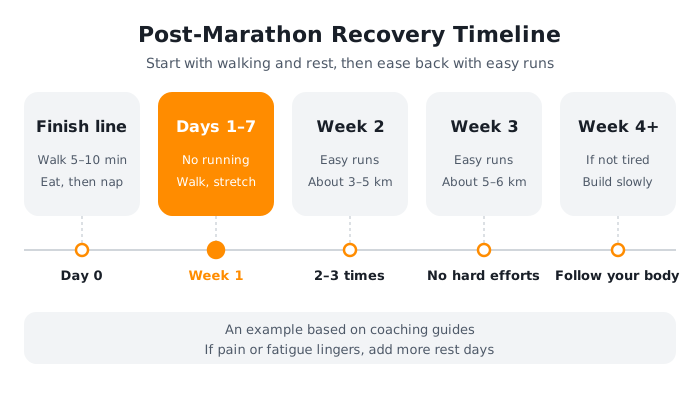
| When | What to do | Distance |
|---|---|---|
| Days 1–7 | No running, walk and stretch | No running |
| Week 2 | Easy runs + cross-training | About 3–5 km, 2–3 times |
| Week 3 | Easy runs, no hard efforts yet | From about 5–6 km, slowly |
The week 2 and 3 distances above are RunnersConnect's 2–3 miles and 3–4 miles converted to km. For three weeks, skip intervals and speed work, and cut back further if your body says so. Marathon Handbook's guide also centers weeks 2–3 on cross-training and light jogging on soft surfaces.
💡 Tip
During recovery, aim for "a body that can run next week" rather than "today's distance." Planning rest as part of training makes it much easier on your mind.
3. When Can You Run Again? Research vs. Coaches
Interestingly, research and coaching advice differ a little. In a randomized controlled trial by Spanish researchers, 64 marathon finishers (average age 39) were split into running, elliptical, and resting groups. The group that ran easily for 40 minutes starting 48 hours after the race didn't show slower recovery in muscle damage markers, and their jump performance at 96 hours was better than the rest group's.

| Source | When to return | Key point |
|---|---|---|
| Study (2021) | After 48 h, easy | No slowed recovery |
| RunnersConnect | After 7–10 days off | Then 2 light weeks |
| Marathon Handbook | After 1 week off | Jogging in week 3 |
Still, that study used about 40 minutes at an easy effort with finishers around 3 hours 35 minutes, so it won't apply to everyone as is. The real answer isn't "a certain number of days" but how your body responds. If your legs wobble on the stairs or fatigue lingers, add rest days. Marathon Handbook's guide also says lingering fatigue into weeks 2–3 signals incomplete recovery.
⚠️ Caution
If you have chest pain, dizziness, a cold sweat, swelling and warmth, or pain that stops you putting weight on a leg, don't run. See a doctor or sports medicine clinic. If pain isn't improving and even everyday walking is uncomfortable, it may be an injury warning rather than recovery. For prevention, see the injury prevention guide too.
4. How to Get Through Recovery Week
During recovery you can pause running but keep your habits and your log going. Focus on walking, stretching, and sleep, and take your time choosing the next goal. If you're thinking ahead, skimming the 12-week half marathon plan or the October marathon calendar is plenty.

| Recovery check | If you feel | What to do |
|---|---|---|
| Stairs and walking | Still stiff | Hold off on running |
| Everyday fatigue | About normal | Try an easy run |
| Sleep | Rested and fresh | Build distance slowly |
In the Wittiz app, set a low goal for recovery week, like "2–3 times, under 20 minutes." Switch from distance to count goals and keep logging through the rest period so your streak holds. A pain-free week in your report builds confidence for next week, and Moongti greets you just the same while you rest.

Legs that finished 42.195 km have earned a good rest. Recovery is training too!
Frequently Asked Questions (FAQ)
How many days should I rest after a marathon?
Coaches usually suggest 7–10 days without running, then two very light weeks. One study found easy running 48 hours later didn't slow recovery, but individual differences are large. If your legs wobble on stairs or you're very tired, rest longer.
My muscles are very sore after a marathon. Is that okay?
Soreness lasting several days after a marathon is common. But swelling, warmth, pain that stops you putting weight on a leg, or pain that makes everyday walking hard needs a doctor. One guide says to avoid massage right after the race, so time it according to how your body feels.
Do I need the same rest after a half marathon or 10K?
Shorter races usually need a shorter break, but there's no fixed formula. Do the same walking and eating recovery right after the finish, and restart easy running after a few days based on how you feel. If pain or fatigue lingers, rest longer.
Wrapping Up
Marathon recovery means starting with walking and food, and treating rest as part of training. Through week 3, easy runs with no hard workouts are plenty.
This week, start with a 30-minute walk and light stretching instead of a run. Moongti will walk slowly right beside you!
Try it for yourself in the Wittiz app!

References
- Martínez-Navarro I et al. (2021). The week after running a marathon: Effects of running vs elliptical training vs resting on neuromuscular performance and muscle damage recovery. European Journal of Sport Science
- RunnersConnect. How Much Time Do You Need to Take Off After a Marathon
- Marathon Handbook. Your Complete Guide To Recovering From A Marathon
This article was written by the Wittiz team and includes app-related content. If you have pain, heart disease, high blood pressure, or other conditions, please don't push yourself, and be sure to consult a medical professional.